Abu Dhabi Peace Talks Face Dispute Over European Security Arrangements
U.S.-mediated Russia-Ukraine talks are scheduled for November 10–11, 2026, in Abu Dhabi. A wider U.S. security proposal faces European objections and Russia's stated opposition to foreign forces in Ukraine; no settlement is confirmed.
Sources & references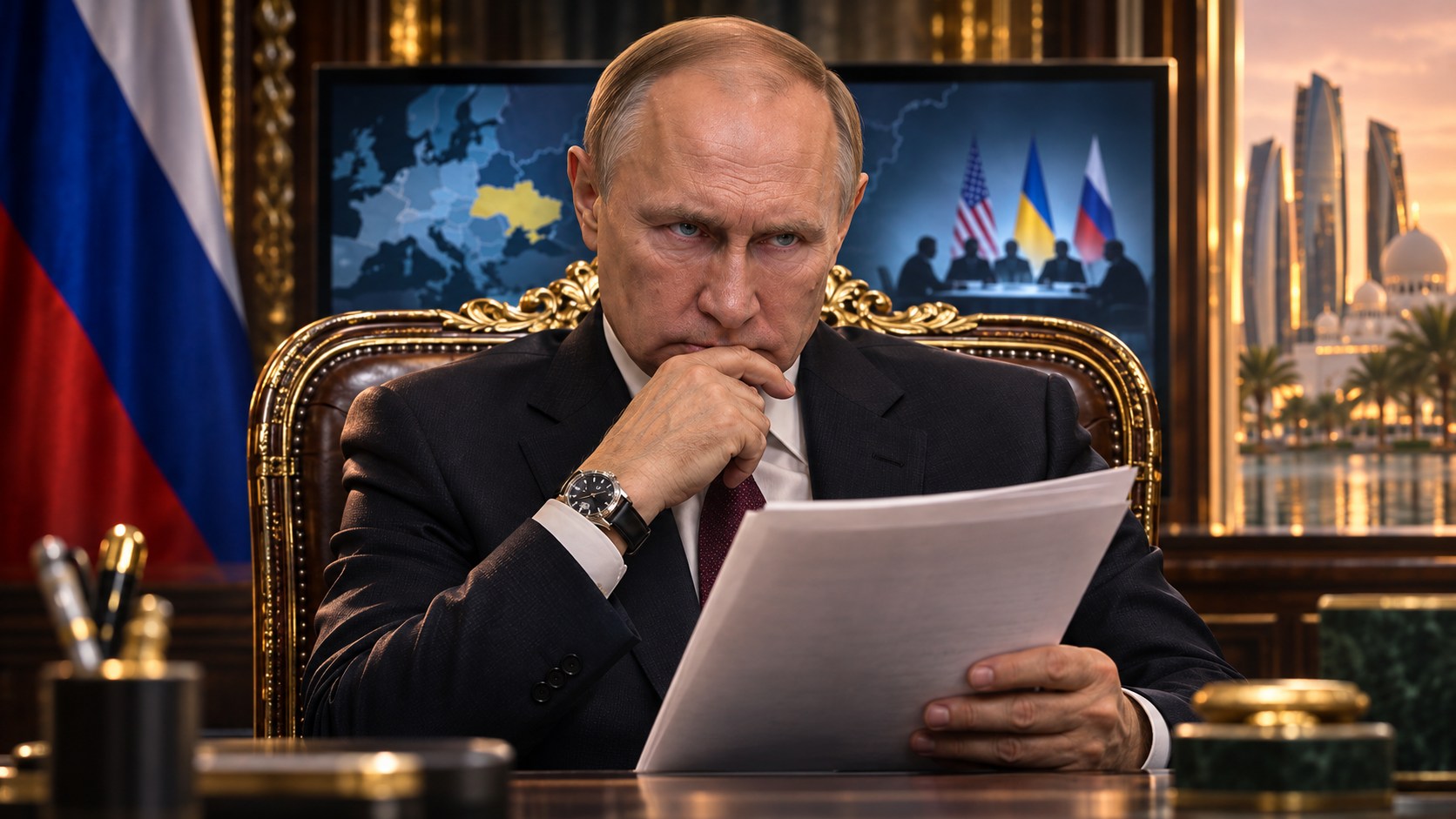
The United States, Ukraine and Russia are preparing for November 10–11 peace talks in Abu Dhabi, but the negotiations are already reaching beyond a ceasefire. Washington has outlined a wider European security proposal, while Kyiv and European officials insist that decisions affecting their security cannot be made without them.
The U.S.-mediated trilateral meeting is scheduled, not concluded. U.S. envoy Steve Witkoff described an agenda spanning de-escalation, postwar security arrangements and humanitarian measures. The distinction matters: an agenda and an agreement are different things, and no comprehensive peace settlement has been established from talks that have yet to begin.
Ukraine's President Volodymyr Zelenskyy discussed preparations with Nordic and Baltic leaders on November 6. He said European countries must have a role in negotiations about their own security. Ukraine's negotiating team will be led by Rustem Umerov, according to parliamentary leader David Arakhamia's account.
A Wider Bargain Than a Ceasefire
Under the U.S. proposal, Ukrainian security guarantees are linked to longer-term European security arrangements. As described in public comments by Jared Kushner, the approach includes security consultations, military transparency, crisis communications and respect for national sovereignty. Those are elements of a U.S. proposal, not measures accepted by all parties.
The framework gives the meeting stakes extending beyond a possible pause in fighting. Decisions about security guarantees could shape Ukraine's defense arrangements, NATO relationships and the roles of Washington and European institutions. But those consequences depend on terms that the parties have not publicly agreed.
There is an immediate problem of participation. EU foreign policy chief Kaja Kallas and Polish Foreign Minister Radosław Sikorski objected to the prospect of security arrangements made without Europe. Their objections concern European sovereignty and who gets to negotiate decisions that would affect it. A wider framework cannot be treated as an enforceable settlement merely because it has been proposed.
Moscow Names Officials, but Keeps a Red Line
According to the Kremlin, Russia will send a delegation including Vladimir Medinsky, Sergei Ryabkov and senior military officials. Kremlin spokesman Dmitry Peskov described the delegation following a November 6 preparation meeting involving President Vladimir Putin. The expanded roster creates a channel for substantive discussion, but does not establish that Moscow has changed any demands.
A more immediate obstacle is the Russian position on outside security forces. As documented by the Institute for the Study of War, Russia's Foreign Ministry publicly opposed foreign troop deployments in Ukraine. That restriction stands in tension with the effort to define credible guarantees for Ukraine. The institution's broader judgment about Russian negotiating intentions is analysis, not a verified outcome.
The positions are conflicting negotiating demands, not competing reports about a finalized deal. There is no public confirmation that Moscow will accept a broader, verifiable ceasefire or that Kyiv and Russia have agreed territorial provisions or enforceable guarantees.
What Limited Progress Could Look Like
A narrower result is still possible. A localized ceasefire around Oleshky permitted civilian evacuations ahead of the Abu Dhabi meeting. That arrangement demonstrates that limited commitments can operate even when wider questions remain unresolved. It does not establish a template for an agreement covering the war.
Atlantic Council specialist Mark Temnycky anticipated incremental rather than transformative progress in comments to RFE/RL, citing disputes over territory and guarantees. Former U.S. ambassador John Herbst voiced greater skepticism about Russian acceptance of a ceasefire. The available evidence suggests a limited outcome is more plausible than a comprehensive settlement, but this is a forecast, not a report of a negotiating decision.
The next test will be concrete terms, not the breadth of a diplomatic announcement. Whether Europe joins a later format, whether any preliminary commitment has a date and monitoring arrangement, and whether broader security guarantees become enforceable all remain unknown. A mutually confirmed written ceasefire with implementation and verification terms would be stronger evidence of a breakthrough. For now, the talks are scheduled for November 10–11, and the commitments that could make a settlement durable remain unsettled.
What we know
- U.S.-mediated trilateral peace talks are scheduled for November 10–11, 2026, in Abu Dhabi. [1]
- On November 6, President Volodymyr Zelenskyy discussed Abu Dhabi preparations with Nordic and Baltic leaders and said Europeans should participate in discussions affecting European security. [2]
- David Arakhamia identified Rustem Umerov as the leader of Ukraine's negotiating team. [3]
- Under the U.S. proposal described by Jared Kushner, security guarantees for Ukraine are linked to longer-term European security arrangements. [4]
- EU foreign policy chief Kaja Kallas and Polish Foreign Minister Radosław Sikorski objected to European security arrangements being determined without European participation. [5]
- According to the Kremlin, Russia's delegation includes Vladimir Medinsky, Sergei Ryabkov and senior military officials. [6]
- Russia's Foreign Ministry publicly opposed foreign troop deployments in Ukraine ahead of the talks, according to the Institute for the Study of War. [7]
- A localized ceasefire around Oleshky enabled civilian evacuations before the Abu Dhabi negotiations. [4]
What remains unclear
- Whether Moscow will accept a verifiable broader ceasefire remains unresolved.
- Whether the parties will agree on territorial provisions or enforceable security guarantees remains unknown.
- Whether European governments will participate directly in a subsequent negotiating format remains unknown.
- Whether preliminary commitments will specify implementation dates, monitoring or enforcement mechanisms remains unknown.
Sources & references
- US to mediate trilateral talks with Ukraine, Russia in Abu Dhabi next week, US envoy says
Independent Reporting · Reuters · 2026-11-02
Context & limitations
Reports Witkoff's announced meeting and agenda; it is not evidence of a negotiated settlement.
- The President Discussed Preparations for a Trilateral Meeting in Abu Dhabi With NB8 Leaders
Official Statement · Office of the President of Ukraine · 2026-11-06
Context & limitations
Documents the Ukrainian presidency's description of preparations and position on European participation.
- Umerov to lead Ukraine delegation in Abu Dhabi peace talks despite media confusion, top official confirms
Independent Reporting · The Kyiv Independent · 2026-11-06
Context & limitations
Directly reports David Arakhamia's account of the Ukrainian negotiating team leadership.
- White House Outlines Broader European Security Plan Ahead Of Ukraine Peace Talks
Independent Reporting · Radio Free Europe/Radio Liberty · 2026-11-06
Context & limitations
Reports a proposal, separate localized ceasefire, and named experts' conditional forecasts; no finalized broader agreement is established.
- EU rejects Trump’s 'big beautiful' security deal with Russia and 'all of Europe'
Independent Reporting · Euronews · 2026-11-06
Context & limitations
Documents stated European objections to negotiating their security without participation, not a concluded deal.
- Russian diplomats and military officials to join talks with US and Ukraine, Kremlin says
Independent Reporting · Reuters · 2026-11-07
Context & limitations
Relays the Kremlin's announced delegation; attendance does not establish a negotiating concession.
- Russian Offensive Campaign Assessment, November 7, 2026
Expert Analysis · Institute for the Study of War · 2026-11-07
Context & limitations
Documents the Russian Foreign Ministry's public position, while ISW's assessment of Russian intentions remains analytical.